Ist ChatGPT für Therapie sicher? Was mit dem passiert, was Sie teilen
Klinisch gesehen nicht: Ein „Therapie“-Chat mit ChatGPT unterliegt keiner Schweigepflicht, fällt aus der HIPAA heraus und kann vor Gericht vorgelegt werden. Was wirklich schützt, was Sie teilen.
Nein – nicht so, wie Sie es von einer Behandlung erwarten würden: Ein „Therapie“-Gespräch mit ChatGPT ist nicht vertraulich. Der CEO von OpenAI hat das öffentlich eingeräumt – ein Gespräch mit einem Therapeuten, einem Anwalt oder einem Arzt ist durch eine gesetzlich anerkannte Schweigepflicht geschützt, aber für Ihre Gespräche mit ChatGPT existiert nichts Vergleichbares. Konkret: keine Schweigepflicht, kein HIPAA-Schutz für Verbraucherkonten, Gespräche, die gespeichert und möglicherweise überprüft werden, und die Möglichkeit, dass sie vor Gericht vorgelegt werden. Das Werkzeug kann Ihnen helfen, Worte für das zu finden, was Sie fühlen; es ist weder ein Therapeut noch ein vertraulicher Rahmen. Die einzige zuverlässige Lösung ist, niemals Details einzugeben, die Sie identifizieren können.
Warum ein „Therapie“-Chat nicht vertraulich ist
Wenn Sie sich einem Psychologen oder einem Arzt anvertrauen, schützt das Gesetz das Gespräch: Das ist die Schweigepflicht, die an ein Behandlungsverhältnis gebunden ist. Dieser Rahmen existiert bei einem Verbraucher-Chatbot nicht, der weder ein Angehöriger eines Gesundheitsberufs ist noch einer Verschwiegenheitspflicht unterliegt. Der CEO von OpenAI hat selbst erklärt, dass das Unternehmen nach geltendem Recht rechtlich gezwungen werden könnte, Ihre Gespräche in einem Rechtsstreit oder auf gerichtliche Anordnung hin vorzulegen. Ein in ChatGPT eingegebenes Gespräch zur psychischen Gesundheit ist also nicht davor geschützt, vor Gericht vorgelegt zu werden – anders als eine geschützte klinische Akte.
Speicherung, Überprüfung, Gericht: was wirklich mit den Inhalten geschieht
Die Speicherung ist nicht neutral. Bei Verbraucherkonten (Free, Plus, Pro) ist die Nutzung der Gespräche zum Training der Modelle standardmäßig aktiviert: Sie müssen sie selbst in Einstellungen → Data Controls deaktivieren (OpenAI Help Center – Data Controls FAQ). Und dieses Opt-out gilt nicht rückwirkend: Es löscht weder vergangene Gespräche noch Daten, die bereits in abgeschlossene Trainingsläufe eingeflossen sind, und Kopien können aus Sicherheitsgründen eine Zeit lang aufbewahrt werden. Das Löschen eines Chats in der Oberfläche entfernt also nicht sofort jede Spur. Auch Menschen können darauf zugreifen: OpenAI gibt an, Nachrichten zu scannen und besorgniserregende Fälle – eine unmittelbare Gefahr schwerer körperlicher Schäden – an ein kleines Team von Prüfern weiterzuleiten, mit der Möglichkeit einer Meldung an die Behörden (OpenAI – Nutzungsrichtlinien und Sicherheitsprüfungsprozess).
Das ist nicht nur hypothetisch. Im Rechtsstreit zwischen OpenAI und der New York Times ordnete ein Bundesrichter an, dass das Unternehmen 20 Millionen ChatGPT-Gesprächsprotokolle (anonymisiert) an die Kläger herausgeben muss; der Richter bestätigte die Anordnung Anfang 2026 und wies die Vertraulichkeitseinwände von OpenAI zurück. Das Gericht stellte fest, dass die Nutzer ihre Nachrichten freiwillig eingereicht hatten und dass das rechtliche Eigentum von OpenAI an den Protokollen nicht bestritten wurde – mit anderen Worten: verfahrensrechtlich gehören Ihre Nachrichten Ihnen nicht so, wie es eine geschützte klinische Akte tut.
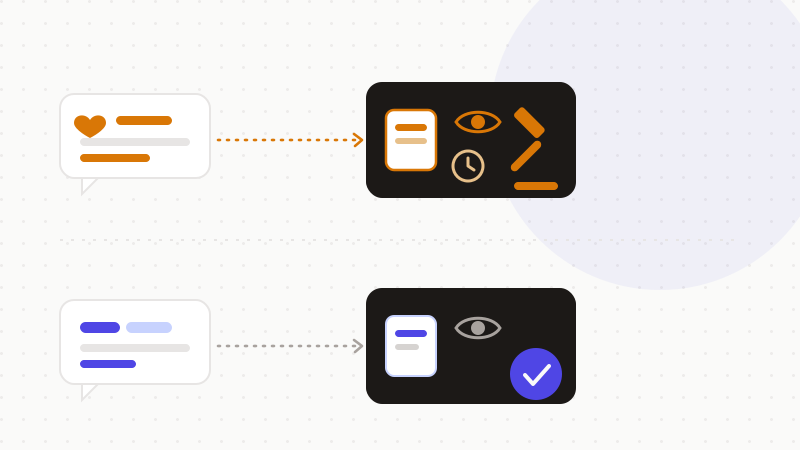
HIPAA deckt eine persönliche „Therapie“-Nutzung nicht ab
Viele nehmen an, ihre „medizinischen“ Gespräche seien durch HIPAA geschützt. Für die persönliche Nutzung ist das falsch. HIPAA (HHS.gov – HIPAA-Leitfaden, Mental Health FAQ) gilt nur für „covered entities“ – Angehörige und Organisationen des Gesundheitswesens – und deren Auftragsverarbeiter im Rahmen eines Business Associate Agreement (BAA). Eine App, die eine Privatperson frei wählt, ohne dass eine behandelnde Person beteiligt ist, fällt schlicht aus dem Anwendungsbereich von HIPAA heraus. Und OpenAI bietet ein BAA nur für eine kleine Reihe von Unternehmens-/Gesundheitsprodukten an (API auf berechtigten Endpunkten, ChatGPT Enterprise, ChatGPT Edu, ein dediziertes Gesundheitsangebot): Die Verbrauchertarife (Free, Plus, Team) haben kein BAA und dürfen rechtlich keine geschützten Gesundheitsinformationen verarbeiten (HIPAA Journal – „Is ChatGPT HIPAA Compliant?“).
Daten zur psychischen Gesundheit gehören zu den sensibelsten überhaupt, und ihre Offenlegung hat sich bereits als kostspielig erwiesen. Die FTC untersagte BetterHelp – einem Online-Therapiedienst – die Gesundheitsdaten seiner Nutzer zu Werbezwecken offenzulegen, und verhängte eine Strafe von 7,8 Millionen US-Dollar, nachdem festgestellt worden war, dass E-Mails, IP-Adressen und Antworten auf Gesundheitsfragebögen trotz Vertraulichkeitsversprechen an Werbeplattformen weitergegeben wurden. Die FTC beanstandete zudem eine irreführende Verwendung von an HIPAA erinnernden Siegeln durch BetterHelp. Die Lehre: Ein beruhigendes Abzeichen ist kein echter rechtlicher Schutz.
| Rahmen | Schweigepflicht | Durch HIPAA abgedeckt | Vor Gericht vorlegbar |
|---|---|---|---|
| Therapeut / Arzt | Ja | Ja (behandelnde Person) | Geschützt |
| Verbraucher-ChatGPT (Free/Plus/Pro) | Nein | Nein (kein BAA) | Ja, möglich |
| ChatGPT mit vorgelagerter Anonymisierung | Nein | Nicht anwendbar (keine personenbezogenen Daten) | Nichts Identifizierendes vorzulegen |
Was wirklich hilft: reden, ohne sich preiszugeben
Seien wir ehrlich: Ein Werkzeug wie ChatGPT kann Ihnen helfen, Worte für das zu finden, was Sie fühlen, es zu klären oder umzuformulieren, vorzubereiten, was Sie einer echten Fachperson sagen werden, oder nachts Gedanken festzuhalten. Das ist nicht nichts. Aber es ersetzt keinen Therapeuten und bietet keinen vertraulichen Rahmen. Gute Hygiene bedeutet, den Nutzen (die Worte finden) von der Offenlegung (identifizierende Details preisgeben) zu trennen.
- Bei akuter Not oder Suizidgedanken wenden Sie sich an eine Fachperson oder einen Notdienst – nicht an einen Chatbot.
- Erwarten Sie von ChatGPT keine Begleitung: Es kennt Sie nicht, trägt keine Fürsorgepflicht und hat keine Verschwiegenheitspflicht.
- Entfernen Sie vor dem Senden alles, was Sie identifiziert: Name, Arbeitgeber, Adresse, Daten, einzigartige Details.
- 1Deaktivieren Sie das Training in Einstellungen → Data Controls: gute Grundhygiene, aber es löscht weder die Vergangenheit noch die Sicherheitsspeicherung.
- 2Anonymisieren Sie die sensiblen Daten vor dem Senden: Ersetzen Sie Identitäten und wiederidentifizierende Details durch neutrale Token.
- 3Stellen Sie die Antwort bei Bedarf auf Ihrer Seite wieder her: Sie, nicht die KI, halten die Verbindung zwischen dem Token und dem tatsächlichen Wert.
Genau dafür ist ONYRI Sanitize da: Die Engine ersetzt wiederidentifizierende Details vor dem Senden durch umkehrbare Token; die Erkennung und die Token↔Wert-Zuordnung bleiben in Ihrem Browser, und nur anonymisierter Text erreicht ChatGPT. Ob ein Prüfer hinschaut, das Gespräch gespeichert wird oder es eines Tages vor Gericht vorgelegt wird – es gibt nur Token offenzulegen, nicht Sie.
Häufig gestellte Fragen
- Ist ChatGPT für Therapie sicher?
- Nicht im klinischen Sinne. Ein „Therapie“-Gespräch mit ChatGPT ist nicht vertraulich: Es gibt keine Schweigepflicht, keinen HIPAA-Schutz bei Verbraucherkonten, die Gespräche werden gespeichert und können überprüft werden, und sie können vor Gericht vorgelegt werden. Das Werkzeug kann Ihnen helfen, Worte für das zu finden, was Sie fühlen, aber es ersetzt keinen Therapeuten. Die einzige zuverlässige Lösung ist, identifizierende Details vor dem Senden zu anonymisieren.
- Sind meine ChatGPT-Gespräche vertraulich?
- Nein, rechtlich nicht. Der CEO von OpenAI hat eingeräumt, dass für Gespräche mit ChatGPT keine Vertraulichkeitsprivilegierung gilt, anders als bei dem, was einen Therapeuten oder einen Anwalt schützt. Ein Gericht hat OpenAI bereits angeordnet, 20 Millionen Gesprächsprotokolle in einem Rechtsstreit herauszugeben. Ihre Nachrichten können also gespeichert, überprüft und vor Gericht vorgelegt werden.
- Ist ChatGPT HIPAA-konform für die persönliche Therapienutzung?
- Nein. HIPAA gilt nur für Angehörige des Gesundheitswesens und deren Auftragsverarbeiter im Rahmen eines Business Associate Agreement. Eine App, die eine Privatperson frei wählt, fällt aus dem Anwendungsbereich von HIPAA heraus. OpenAI bietet ein BAA nur für bestimmte Unternehmens-/Gesundheitsprodukte an; die Verbrauchertarife (Free, Plus, Team) haben kein BAA und dürfen keine geschützten Gesundheitsinformationen verarbeiten.
Quellen & Referenzen
- Sam Altman warnt, dass es keine rechtliche Vertraulichkeit gibt, wenn man ChatGPT als Therapeuten nutzt — TechCrunch
- FTC untersagt BetterHelp, sensible Daten zur psychischen Gesundheit von Verbrauchern zu Werbezwecken an Facebook und andere weiterzugeben — Federal Trade Commission (FTC)
- Richter bestätigt, dass OpenAI im New-York-Times-Rechtsstreit 20 Millionen ChatGPT-Protokolle herausgeben muss — Bloomberg Law
Behalten Sie Ihre sensiblen Daten in Ihrem Browser
ONYRI Sanitize erkennt und maskiert Ihre sensiblen Daten, bevor sie die KI erreichen, und stellt anschließend die Antwort wieder her — vom Namen bis zum API-Schlüssel.